














Best Way to Experience Agra: A Local Taj Mahal Guide’s Advice
Agra is more than the Taj Mahal. The best way to experience the city is to combine its most important historical monuments with enough time to understand their history, architecture and connection to Agra.
As a Taj Mahal guide in Agra, I help visitors explore the Taj Mahal and understand the history and architectural details behind the monument. From a practical sightseeing perspective, I recommend that first-time visitors make the Taj Mahal and Agra Fort the foundation of their itinerary, then add other attractions according to their available time and interests.
There is no single itinerary that is right for everyone. A family, a photographer, a history enthusiast and a traveller visiting Agra for only a few hours may all need different plans.

Delhi Agra one day tour by Car – Book with Local From ₹ 6,500
Delhi Agra one day tour by Car Inclusive of neat and clean Car with Experienced Driver + Local Live Guide on Additional cost – Check Out More!
View DetailsThis guide explains how I recommend approaching Agra while clearly separating official visitor information from personal recommendations.
Important travel note: Monument opening hours, ticket prices, entry procedures, security requirements and visitor rules can change. Always verify time-sensitive information with official sources before travelling.
What Is the Best Way to Experience Agra?
For a first visit, I recommend building your itinerary around:
Taj Mahal → Agra Fort → one or more additional experiences → time for food and breaks
The right combination depends on how long you are staying.
If you have only a few hours
Prioritise the Taj Mahal and allow sufficient time for entry and sightseeing.
If you have one full day
Consider:
- Taj Mahal
- Agra Fort
- One additional attraction or local experience
If you have two days
You can explore the major monuments at a more comfortable pace and add places such as:
- Mehtab Bagh
- Itmad-ud-Daulah
- Akbar’s Tomb
- Fatehpur Sikri, if it fits your travel plans
The important point is not to fill every available minute. A practical itinerary should allow time for transportation, entry procedures, meals and unexpected delays.
1. Start With the Taj Mahal
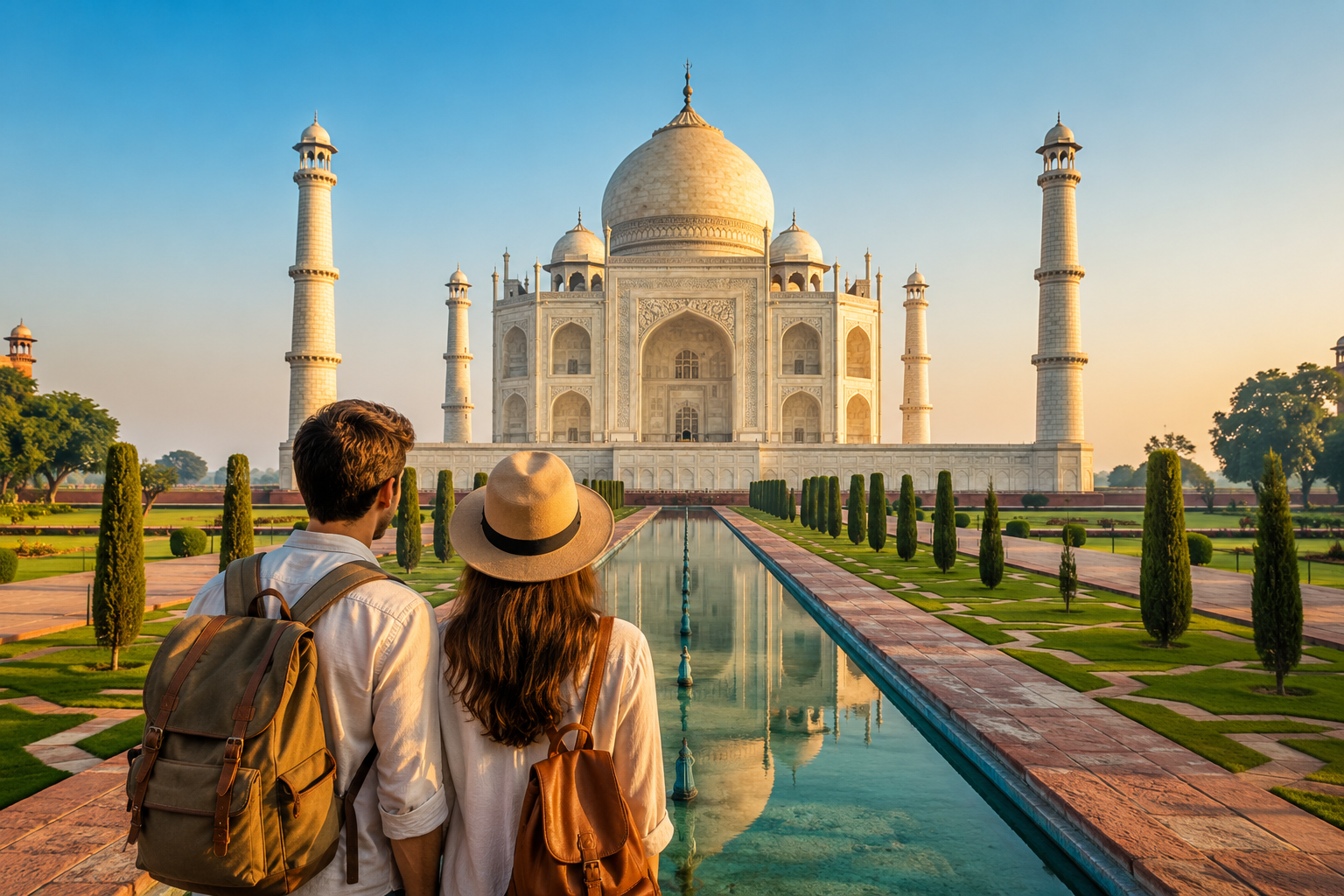
For visitors coming to Agra for the first time, the Taj Mahal is usually the central attraction.
The monument is significant not only because of its appearance but also because of its history, architecture and craftsmanship.
During a guided visit, I can explain aspects such as:
- The Mughal period
- Shah Jahan and the history associated with the monument
- Architectural design
- Marble craftsmanship
- Decorative details
- The historical context of the Taj Mahal
A guide’s explanation is not a replacement for official information. For current opening hours, ticketing and visitor rules, the official Taj Mahal website should remain your primary reference.
Check the official information before your visit
Before travelling to the Taj Mahal, verify:
- Opening and closing hours
- Weekly closure information
- Ticket requirements
- Entry arrangements
- Security restrictions
- Current visitor rules
The official Taj Mahal website states that the monument is normally closed on Fridays and provides the current visiting schedule and ticket information.
Because these details can change, check the official source again close to your travel date.
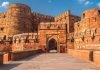
2. Visit Agra Fort
I recommend adding Agra Fort when your schedule allows.
The Taj Mahal and Agra Fort are different experiences, but together they provide a broader understanding of Agra’s Mughal history.
Agra Fort was an important imperial complex, while the Taj Mahal is one of the world’s best-known examples of Mughal architecture.
When you visit both, it becomes easier to place the Taj Mahal within the wider history of Agra.
Why include Agra Fort?
It offers visitors an opportunity to explore:
- Mughal architecture
- Fortification and palace architecture
- Imperial history
- Connections between Agra and the Mughal rulers
The amount of time you should spend there depends on your interests and itinerary.
3. Choose Additional Attractions Based on Your Time
Agra has more historical sites than can comfortably fit into every short visit.
Rather than trying to see everything, choose additional attractions based on what interests you.
Mehtab Bagh
Mehtab Bagh is situated across the Yamuna River from the Taj Mahal and is associated with views toward the monument.
It can be a suitable addition for visitors interested in gardens, views and photography.
Itmad-ud-Daulah
The Tomb of Itmad-ud-Daulah is a Mughal-era monument known for its architectural and decorative details.
It is worth considering if you want to explore more of Agra’s Mughal heritage.
Akbar’s Tomb
Akbar’s Tomb is located at Sikandra and provides another opportunity to explore Mughal architecture and history.
Consider the additional travel time when adding it to a short itinerary.
Fatehpur Sikri
Fatehpur Sikri is a significant historical site associated with the Mughal period and is located outside central Agra.
It can be an excellent addition to a longer itinerary, but visitors should account for the additional journey rather than treating it as a quick stop in the middle of a tightly scheduled day.
4. How Many Days Do You Need in Agra?
There is no universal answer.
The right length depends on your interests, transportation, arrival and departure times, and the number of attractions you want to visit.
| Time available | A practical approach |
|---|---|
| Half day | Focus primarily on the Taj Mahal |
| 1 day | Taj Mahal + Agra Fort + one additional experience |
| 2 days | Major monuments + additional heritage sites |
| 3+ days | More relaxed exploration of Agra and nearby destinations |
Is one day enough?
Yes, if your priority is the major highlights.
A carefully planned one-day visit can include the Taj Mahal and Agra Fort, with an additional attraction if time permits.
Is two days better?
Two days provide more flexibility.
You can explore additional monuments and local experiences without making every part of the itinerary dependent on a tight schedule.
5. My Recommended One-Day Agra Itinerary
If you have one full day, I recommend keeping your plan realistic.
Morning — Taj Mahal
Begin with the Taj Mahal according to the official visiting schedule.
Allow time for:
- Travel to the monument
- Entry procedures
- Security checks
- Walking
- Sightseeing
- Photography
Do not assume that the entire visit will take exactly the same amount of time for every traveller.
Late Morning — Agra Fort
Continue to Agra Fort after the Taj Mahal.
The combination provides two different perspectives on Agra’s Mughal history.
Afternoon — Lunch and Break
Allow time for lunch and a short break.
A sightseeing itinerary should not be so tightly planned that there is no room to rest.
Later — One Additional Attraction
If your schedule allows, choose one additional attraction based on your interests.
Possible choices include:
- Mehtab Bagh
- Itmad-ud-Daulah
- A suitable local heritage experience
If your journey involves another city later that day, keep your departure time in mind before adding additional stops.
6. My Recommended Two-Day Agra Itinerary
Two days allow more flexibility.
Day 1
Taj Mahal → Agra Fort → local food or cultural experience
Day 2
Itmad-ud-Daulah → Akbar’s Tomb → Mehtab Bagh or another suitable attraction
Fatehpur Sikri can also be considered depending on your overall travel plans.
The order is not fixed. It should be adjusted according to:
- Current opening days
- Official visiting hours
- Your arrival and departure times
- Transportation
- Your interests
7. How a Taj Mahal Guide Can Add Context
A Taj Mahal guide can do more than accompany visitors around the monument.
A knowledgeable guide can explain the historical and architectural context that may not be immediately obvious during an independent visit.
For example, visitors can ask about:
- Mughal history
- Shah Jahan
- Architectural features
- Marble work
- Decorative craftsmanship
- Historical figures
- The development of Mughal architecture
The value of a guide depends on what the traveller wants from the visit.
If you simply want to see the monument independently, you may prefer a self-guided visit.
If you want explanations and the opportunity to ask questions while exploring, a knowledgeable local guide can provide additional context.
The choice should be based on your interests, time and preferred travel style.
8. What I Have Learned From Guiding Visitors
One practical lesson from guiding visitors is that an itinerary that looks good on paper is not always the most comfortable itinerary in reality.
Visitors need time to enter monuments, walk between areas, take photographs, eat, rest and travel between attractions.
That is why I generally recommend prioritising the places that matter most to you rather than trying to collect as many attractions as possible in one day.
My practical rule
Choose your priorities first. Then add optional attractions only if your schedule comfortably allows them.
This approach leaves room for the experience itself instead of turning the entire visit into a race against the clock.
9. Common Mistakes First-Time Visitors Can Avoid
Trying to See Everything
Agra has many historical attractions, but visiting all of them is not necessary for a meaningful first trip.
Choose according to your available time.
Treating the Taj Mahal Only as a Photo Stop
Photography is an important part of many visits, but the monument also has significant historical and architectural value.
Take time to understand what you are seeing.
Skipping Agra Fort
If your schedule allows, consider including Agra Fort because it adds another important part of Agra’s Mughal history.
Relying on Old Information
Travel information can change.
Opening hours, ticket prices, entry procedures and visitor restrictions should be checked before your visit.
Planning Without Travel Time
Your itinerary should include realistic time for moving between attractions.
This is especially important when adding destinations outside central Agra.
Booking an Overloaded Itinerary
A long list of attractions does not necessarily create a better trip.
Leave some flexibility.
10. How to Make Your Agra Visit More Meaningful
Learn Some History Before You Arrive
Even a basic understanding of Mughal history can make the monuments easier to appreciate.
Look at the Architecture
Instead of focusing only on photographs, notice:
- Symmetry
- Materials
- Decorative work
- Architectural details
- Gardens and surrounding spaces
Try Local Food
Food can be an enjoyable part of experiencing Agra.
Choose restaurants according to your preferences and check current reviews or recommendations before visiting.
Explore Local Craftsmanship
Agra has a long association with traditional crafts, including marble craftsmanship.
If you are interested in crafts, allow time to learn about the techniques and traditions associated with them.
Ask Questions
If you are travelling with a guide, ask questions.
The historical details behind a monument can often make the visit more interesting than simply seeing it from the outside.
11. How to Plan Your Agra Visit
A simple planning process can make your trip easier.
Step 1: Decide how much time you have
Know whether you have half a day, one day or multiple days.
Step 2: Choose your priorities
For a first visit, consider making the Taj Mahal your main attraction.
Step 3: Add Agra Fort
If your schedule permits, include Agra Fort for additional historical context.
Step 4: Select optional attractions
Choose additional places based on your interests rather than trying to visit everything.
Step 5: Check official information
Verify opening hours, closure days, ticket requirements and visitor rules.
Step 6: Allow travel and rest time
Do not plan an itinerary that leaves no room for delays or breaks.
Frequently Asked Questions
What is the best way to experience Agra?
For a first-time visitor, I recommend combining the Taj Mahal and Agra Fort with one or two additional experiences that fit your available time and interests.
Is one day enough for Agra?
One day can be enough for the major highlights, particularly the Taj Mahal and Agra Fort. A longer visit allows more flexibility.
What should I visit first in Agra?
For most first-time itineraries, the Taj Mahal is a practical starting point. Your schedule should then be planned around its official visiting information.
How many days should I spend in Agra?
One day can cover the major highlights. Two days allow more time for additional heritage sites and local experiences.
Should I hire a Taj Mahal guide?
It depends on your preferences. A knowledgeable guide can provide historical and architectural explanations and answer questions during your visit. Visitors who prefer independent sightseeing can also explore the monument on their own.
What are the main places to visit in Agra?
The Taj Mahal and Agra Fort are important starting points. Other options include Mehtab Bagh, Itmad-ud-Daulah, Akbar’s Tomb and Fatehpur Sikri.
Can I visit Agra from Delhi in one day?
Yes. A Delhi–Agra day trip is possible, but your sightseeing time will depend on your transportation schedule and the attractions you choose.
Is Agra only about the Taj Mahal?
No. The Taj Mahal is Agra’s best-known monument, but the city also has important Mughal forts, tombs, gardens, architecture, crafts and food traditions.
Final Advice From a Taj Mahal Guide
Do not measure your Agra trip by how many attractions you manage to tick off a list.
A better visit gives you enough time to appreciate the places you actually see.
For a first trip, I recommend starting with the Taj Mahal, adding Agra Fort, and then choosing additional attractions according to your available time and interests.
If you want historical and architectural explanations while visiting, a knowledgeable local Taj Mahal guide can help put the monuments into context and answer questions as you explore.
Most importantly, verify current official information before travelling. Monument hours, tickets, entry procedures and visitor rules can change.
Agra is not simply a destination to photograph. Its monuments tell the story of a city shaped by centuries of history, architecture and culture.
About the Guide
Alamgir is a Taj Mahal guide based in Agra. His work focuses on helping visitors explore the Taj Mahal and understand its historical and architectural significance.
This guide combines practical travel recommendations with information intended to help first-time visitors plan their Agra experience.
Only use this author description if these details accurately describe the guide and his work.
Information & Sources
For time-sensitive information such as monument opening hours, closure days, ticketing and visitor rules, consult the official Taj Mahal website and relevant Archaeological Survey of India information before travelling.
Last updated: [Insert actual update date]
Author: [Insert real author’s name]
Reviewed by: [Insert real reviewer, if applicable]
View 99