














Shah Jahan: The Mughal Emperor Behind the Taj Mahal
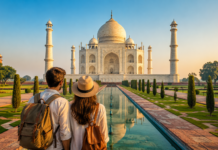
If the Taj Mahal is one of the places you hope to see during a trip to India, you will probably come across the name Shah Jahan.
He was the Mughal emperor who commissioned the Taj Mahal in Agra following the death of his wife, Mumtaz Mahal. But the Taj Mahal is only one part of his story.
Shah Jahan ruled the Mughal Empire from 1628 to 1658. During his reign, major buildings were constructed in Agra and Delhi, while the empire continued to deal with military campaigns, political rivalries and the question of succession.


Delhi Agra one day tour by Car – Book with Local From ₹ 6,500
Delhi Agra one day tour by Car Inclusive of neat and clean Car with Experienced Driver + Local Live Guide on Additional cost – Check Out More!
View DetailsUnderstanding Shah Jahan’s life gives you a much better context for the monuments you may visit in northern India.
Who Was Shah Jahan?
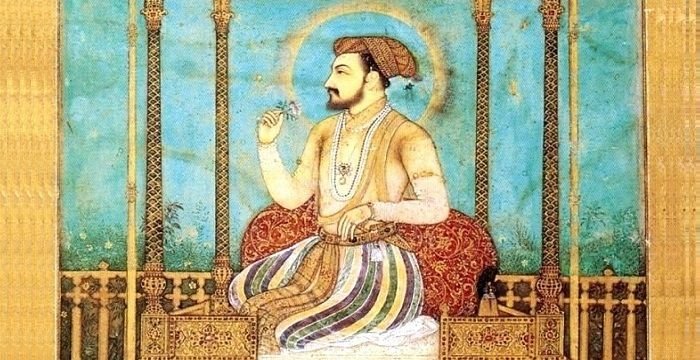
Shah Jahan was born Prince Khurram in 1592. He was the son of Emperor Jahangir and grandson of Emperor Akbar.
He became the fifth Mughal emperor in 1628 and ruled for around three decades.
His name is now closely associated with Mughal architecture, particularly the Taj Mahal, but he was also an emperor involved in the political and military affairs of a large empire.
He died in Agra in 1666 and was buried inside the Taj Mahal.
Shah Jahan in brief
| Born | 1592 |
| Birth name | Prince Khurram |
| Father | Emperor Jahangir |
| Grandfather | Emperor Akbar |
| Became emperor | 1628 |
| Reign | 1628–1658 |
| Died | 1666 |
| Buried | Taj Mahal, Agra |
From Prince Khurram to Emperor
Shah Jahan’s path to the Mughal throne was not automatic.
As Prince Khurram, he became involved in military campaigns and imperial affairs during his father’s reign. After Jahangir’s death, a succession struggle followed.
Khurram eventually secured the throne and was crowned emperor in 1628.
From that point, he was known as Shah Jahan, a name that would later become strongly associated with the architecture of the Mughal Empire.

Shah Jahan and Mumtaz Mahal
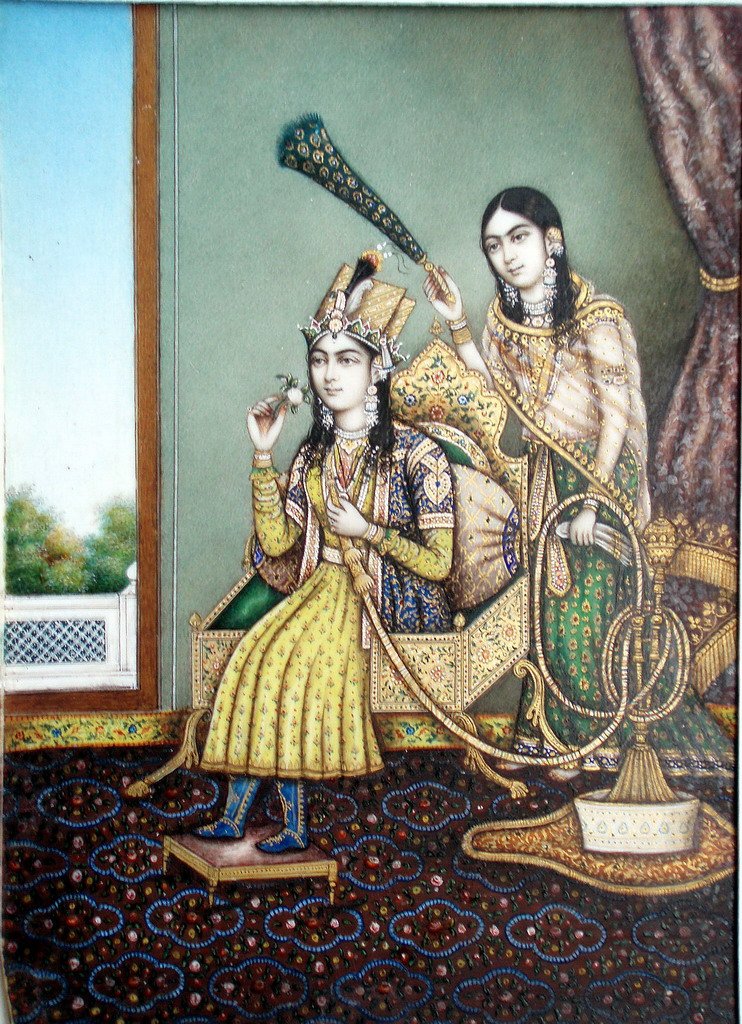
One of the most important parts of Shah Jahan’s personal history is his relationship with Arjumand Banu Begum, who became known as Mumtaz Mahal.
The two were betrothed in 1607 and married in 1612.
That distinction is worth mentioning because travel websites sometimes incorrectly give 1607 as the year of their marriage.
Mumtaz Mahal became an important member of Shah Jahan’s household and accompanied him during parts of his travels.
In 1631, she died at Burhanpur while accompanying Shah Jahan during his Deccan campaign.
Her death led to the commission of the monument that would eventually become the Taj Mahal.
Why Was the Taj Mahal Commissioned?
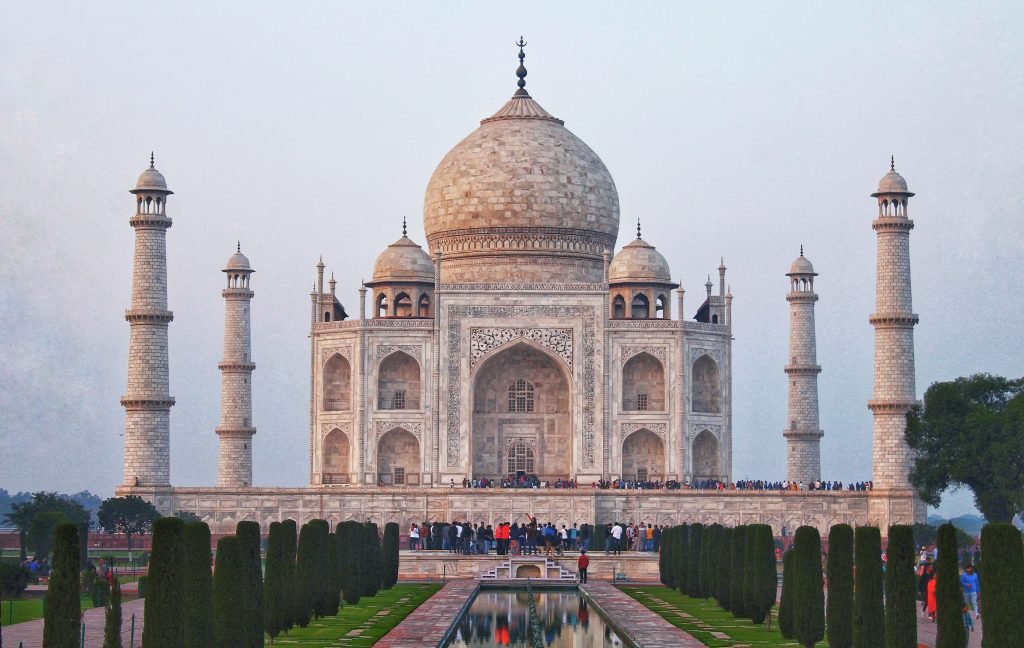
After Mumtaz Mahal’s death, Shah Jahan commissioned a mausoleum for her in Agra.
The project began in the early 1630s and developed into a large complex rather than simply a single building.
The complex includes:
- The main marble mausoleum
- A large garden
- A mosque
- A corresponding guest building
- Gateway and other supporting structures
The Taj Mahal is therefore best understood as a Mughal funerary complex, not simply a white marble building.
For the detailed story of the monument itself, visit our Taj Mahal history guide.
What Is Historically Known — and What Is Legend?
This is an important distinction when reading about Shah Jahan.
The Taj Mahal has inspired countless stories over the centuries. Some are repeated so often that they can sound like established history even when reliable evidence is lacking.
For a trustworthy account, it is better to separate documented history from popular legends.
Be cautious with claims that:
- Shah Jahan personally designed every part of the Taj Mahal.
- Shah Jahan personally built the monument.
- Workers were universally punished or mutilated after construction.
- Shah Jahan planned a confirmed “Black Taj Mahal” opposite the existing monument.
- Shah Jahan’s hair suddenly turned white after Mumtaz Mahal’s death.
- The Taj Mahal was created solely as a romantic expression in the modern sense.
These stories are frequently repeated in popular writing, but they should not be presented as established facts without strong historical evidence.
A trustworthy travel guide should tell readers when something is uncertain.
Shah Jahan Was More Than the Taj Mahal
It is easy to think of Shah Jahan simply as “the emperor who built the Taj Mahal.”
That description leaves out much of his history.
During his reign, Shah Jahan was responsible for governing a large Mughal state and dealing with political and military affairs.
His period is also strongly associated with architecture and imperial construction.
Several major sites connected with his reign can still be visited today.
Shah Jahan’s Architectural Legacy
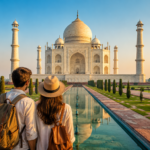
Taj Mahal — Agra
The Taj Mahal is his most famous architectural legacy.
Shah Jahan commissioned it as Mumtaz Mahal’s mausoleum, and he was later buried there himself.
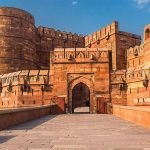
Agra Fort — Agra
Shah Jahan made important additions to Agra Fort.
If you’re visiting Agra, seeing the fort after the Taj Mahal can help you understand the Mughal imperial setting beyond the famous mausoleum.
Red Fort — Delhi
Shah Jahan established Shahjahanabad, his new imperial city in Delhi.
The Red Fort became the principal fortified palace complex of the new capital.
Jama Masjid — Delhi
The Jama Masjid is another major building associated with Shah Jahan’s reign.
These places show why Shah Jahan’s architectural legacy cannot be reduced to the Taj Mahal alone.

Was Shah Jahan an Architect?
You may see Shah Jahan described as an “architect.”
That isn’t the most precise description.
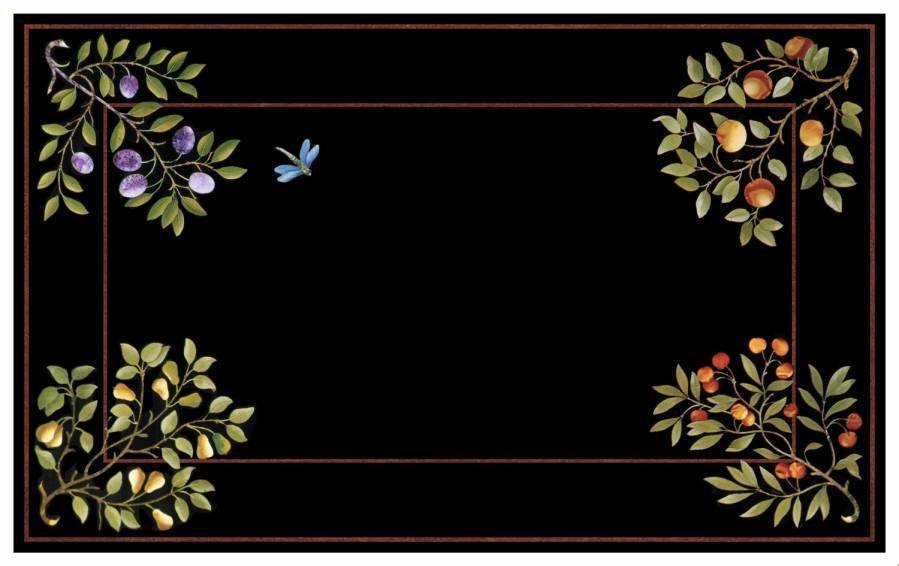
He was an emperor and major patron of architecture who commissioned large imperial projects.
The construction of buildings such as the Taj Mahal required the combined work of architects, designers, engineers, craftsmen, calligraphers, stoneworkers and other specialists.
So the safer historical wording is:
Shah Jahan commissioned and supported major architectural projects rather than personally building them.
This small distinction makes the article considerably more reliable.
Shah Jahan’s Family
Shah Jahan and Mumtaz Mahal had several children.
Among their best-known children were:
- Jahanara Begum
- Dara Shikoh
- Shah Shuja
- Roshanara Begum
- Aurangzeb
- Murad Baksh
- Gauharara Begum
His sons later became central to the Mughal succession struggle.
The Succession Struggle
The final part of Shah Jahan’s reign was shaped by a struggle among his sons over who would succeed him.
In 1658, Aurangzeb emerged as the dominant claimant and Shah Jahan was removed from power.
Shah Jahan then spent his remaining years in Agra.
This was not simply a family disagreement. It was a struggle for control of the Mughal Empire.
Shah Jahan’s Final Years in Agra
Shah Jahan died in Agra on 22 January 1666.
He was buried inside the Taj Mahal beside Mumtaz Mahal.
For travelers visiting Agra today, this creates a remarkable connection between the monument and the man who commissioned it: Shah Jahan’s own tomb is inside the same mausoleum he commissioned for Mumtaz Mahal.
Where Is Shah Jahan Buried?
Inside the Taj Mahal.
Mumtaz Mahal’s cenotaph occupies the central position within the main chamber, while Shah Jahan’s cenotaph stands beside hers.
The placement of Shah Jahan’s cenotaph creates an intentional break in the otherwise strong symmetry of the central interior.
Shah Jahan Timeline
1592 — Prince Khurram is born.
1607 — Khurram and Arjumand Banu Begum are betrothed.
1612 — They marry.
1628 — Khurram becomes Mughal emperor as Shah Jahan.
1631 — Mumtaz Mahal dies at Burhanpur.
Early 1630s — Work begins on the Taj Mahal complex.
1658 — Shah Jahan loses power during the Mughal succession struggle.
1666 — Shah Jahan dies in Agra and is buried in the Taj Mahal.
If You’re Visiting India: Why This History Matters
You don’t need to become an expert in Mughal history before visiting the Taj Mahal.
But knowing a few basic facts changes the experience.
When you stand in front of the monument, you’re not simply looking at a famous building.
You’re seeing a structure connected with:
- The Mughal Empire
- Shah Jahan’s reign
- Mumtaz Mahal’s death
- Mughal funerary architecture
- Agra’s role as an imperial city
- A wider tradition of Mughal architecture
If you’re planning more than just a Taj Mahal visit, our Agra travel guide can help you plan the rest of your time in the city.

Planning Your Taj Mahal Visit
Once you’ve learned the history, practical planning becomes the next step.
Before visiting, check the latest information about:
- Entry tickets
- Visiting arrangements
- Friday closure
- Security restrictions
- Transportation
- Your preferred visiting time
Our Taj Mahal ticket and visitor information covers the practical side of planning your visit.
If photography is important to you, our Taj Mahal photography guide can help you think about viewpoints and planning your visit around photography.
Frequently Asked Questions
Who was Shah Jahan?
Shah Jahan was the fifth Mughal emperor and ruled from 1628 to 1658.
What was Shah Jahan’s original name?
He was born Prince Khurram.
When did Shah Jahan marry Mumtaz Mahal?
They were betrothed in 1607 and married in 1612.
Why did Shah Jahan commission the Taj Mahal?
He commissioned the mausoleum after Mumtaz Mahal died in 1631.
Did Shah Jahan personally build the Taj Mahal?
No. He commissioned the project, which involved numerous architects, craftsmen and other specialists.
Where is Shah Jahan buried?
He is buried inside the Taj Mahal in Agra beside Mumtaz Mahal.
What other buildings are associated with Shah Jahan?
Important examples include the Taj Mahal, parts of Agra Fort, the Red Fort and Jama Masjid in Delhi.
When did Shah Jahan die?
He died in Agra on 22 January 1666.
Shah Jahan’s Legacy
Shah Jahan’s name is permanently linked with the Taj Mahal, but his historical legacy is wider.
He ruled the Mughal Empire for approximately thirty years, commissioned major architectural projects, and presided over a period that remains important to the history of northern India.
For someone planning a trip to India, that wider context is useful.
Visit the Taj Mahal for the monument itself, but knowing the story of Shah Jahan, Mumtaz Mahal and the Mughal Empire helps you understand what you are actually looking at.