


















Black Taj Mahal Agra: History, Legend & Travel Guide for First-Time India Visitors
If you are planning your first trip to India, the Taj Mahal in Agra is probably one of the places you most want to see.
But while researching the Taj Mahal, you may come across another fascinating story: the Black Taj Mahal.
According to a famous 17th-century account, Mughal emperor Shah Jahan supposedly planned a second mausoleum for himself across the Yamuna River, opposite the white Taj Mahal. The traditional story says this monument would have been made from black marble.


Delhi Agra one day tour by Car – Book with Local From ₹ 6,500
Delhi Agra one day tour by Car Inclusive of neat and clean Car with Experienced Driver + Local Live Guide on Additional cost – Check Out More!
View DetailsBut was the Black Taj Mahal actually real?
Quick Answer: Was the Black Taj Mahal Real?
The Black Taj Mahal is a famous historical legend, not a confirmed surviving monument.
The story is primarily associated with French traveler Jean-Baptiste Tavernier, who visited Agra in 1665 and wrote about Shah Jahan’s supposed plan for his own tomb across the Yamuna.
There is no surviving Black Taj Mahal today, and archaeological evidence has not conclusively established that a second black-marble mausoleum was built.
For travelers, however, there is a real historic place connected with the story: Mehtab Bagh, the Mughal garden across the Yamuna from the Taj Mahal.
This guide explains what the Black Taj story says, what the evidence actually tells us, and how first-time visitors to India can include the location associated with the legend in an Agra itinerary.
If you are new to the Taj Mahal’s history, you can first explore our Taj Mahal history and architecture guide.
What Is the Black Taj Mahal?
The Black Taj Mahal, sometimes called the Kala Taj, is the traditional name given to the supposed second mausoleum that Shah Jahan was said to have planned for himself.
According to the traditional story, the monument would have been built across the Yamuna River from the Taj Mahal.
The story says:
- The Taj Mahal was built as the mausoleum of Mumtaz Mahal.
- Shah Jahan supposedly planned another mausoleum for himself.
- The second monument was said to be made from black marble.
- It would have stood across the Yamuna.
- The project was supposedly interrupted during the Mughal succession struggle.
The important point is that these details belong to the traditional Black Taj account.
There is no surviving Black Taj comparable to the Taj Mahal, and the available evidence does not allow us to state that Shah Jahan definitely built one.

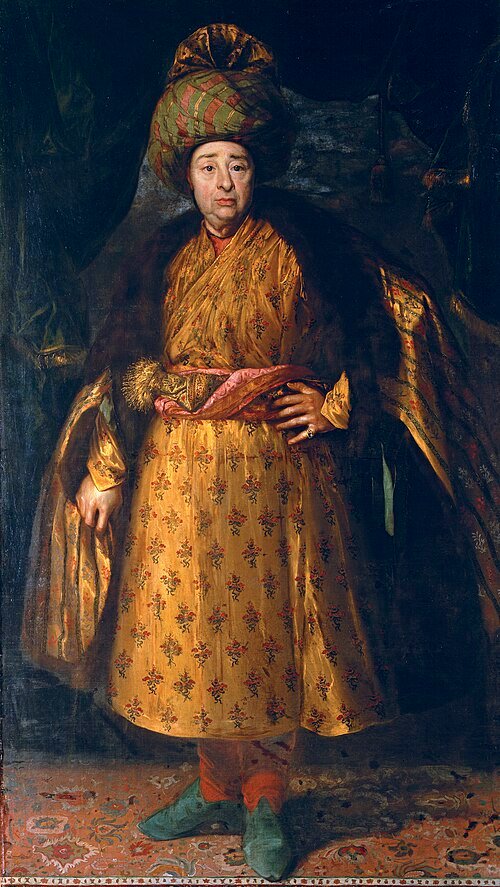
Who First Wrote About the Black Taj Mahal?
The Black Taj story is generally associated with Jean-Baptiste Tavernier, a French traveler and merchant who visited India during the 17th century.
Tavernier wrote about Shah Jahan’s supposed plan for his own tomb on the opposite side of the Yamuna.
His account later became the foundation for the famous story that Shah Jahan intended to create a black-marble counterpart to the white Taj Mahal.
This distinction is important.
Tavernier provides a historical source for the story, but his account is not archaeological proof that the Black Taj was built.
For a trustworthy travel guide, it is better to explain the story this way rather than present the Black Taj as a confirmed lost monument.
Did Shah Jahan Really Plan a Black Taj?
We cannot say with certainty.
Tavernier reported that Shah Jahan had begun planning his own tomb across the river. The traditional interpretation is that this tomb would have been built from black marble.
However, there is not enough surviving evidence to establish that a Black Taj was actually constructed.
This is why you may find different versions of the story online.
Some websites describe the Black Taj as though it definitely existed.
A more careful historical interpretation is that it was a reported or proposed project whose actual construction remains unproven.
For a first-time visitor to India, that distinction matters.
You should not travel to Agra expecting to find a hidden black Taj Mahal.
Instead, you can visit the real historic landscape associated with the legend and see why the story has survived for centuries.


What Is Mehtab Bagh?
Mehtab Bagh is a historic Mughal garden on the opposite bank of the Yamuna River from the Taj Mahal.
Its location is central to the Black Taj story.
From the garden, visitors can look across the river toward the Taj Mahal and experience the monument from a very different perspective.
Mehtab Bagh is a genuine historic site.
The Black Taj, however, is not a confirmed archaeological monument.
So the simplest way to understand the connection is:
Mehtab Bagh is real. The Black Taj remains unproven.
For first-time visitors, Mehtab Bagh can be a worthwhile addition to an Agra itinerary because it combines Mughal history, landscape, photography and one of the most enduring stories associated with the Taj Mahal.
If you are deciding how long to stay in the city, read our guide to how many days you need in Agra.
Did Archaeologists Discover the Foundations of the Black Taj?
This is one of the claims that deserves particular caution.
Popular stories have sometimes described dark stones and structural remains at Mehtab Bagh as the foundations of Shah Jahan’s Black Taj.
However, archaeological evidence has not conclusively established that these remains belonged to a second black-marble mausoleum.
Therefore, it is not responsible to tell visitors:
“These are the confirmed ruins of the Black Taj.”
A more accurate explanation is:
Mehtab Bagh is the historic site associated with the legend of Shah Jahan’s proposed Black Taj, but archaeological evidence has not confirmed that a Black Taj Mahal was built there.
This distinction allows visitors to appreciate the mystery without turning a historical legend into a proven fact.
Why Does Mehtab Bagh Matter to the Black Taj Story?
The geography is one of the reasons the legend remains so fascinating.
Stand in Mehtab Bagh and look across the Yamuna toward the Taj Mahal.
The enormous white marble monument dominates the landscape.
It becomes easier to understand why the idea of another monumental structure on the opposite bank could capture people’s imagination.
For modern visitors, Mehtab Bagh allows you to experience the landscape behind the story rather than simply reading about it.
It also offers a different perspective for photographing the Taj Mahal.
If you want to explore more viewpoints, see our guide to Taj Mahal views from the Yamuna River.
Did Aurangzeb Stop the Black Taj?
The traditional story connects the supposed Black Taj project with the conflict between Shah Jahan and his sons.
Shah Jahan was eventually confined by his son Aurangzeb and spent the final years of his life in Agra Fort.
The traditional version of the Black Taj story says that Shah Jahan’s plans were interrupted during this period.
However, it would be too strong to say:
“Aurangzeb definitely stopped construction of the Black Taj.”
The reason is simple: the construction of the Black Taj itself has not been conclusively established.
A more careful statement is:
According to the traditional account, Shah Jahan’s plans were interrupted during the conflict with his sons and his subsequent confinement by Aurangzeb.
Black Taj Mahal: Myth vs Historical Evidence
| Popular claim | What we can responsibly say |
|---|---|
| Shah Jahan planned another tomb | Reported by Tavernier |
| The tomb would be made from black marble | Part of the traditional Black Taj story |
| It would stand opposite the Taj Mahal | Central to the traditional account |
| A Black Taj was completed | Not established |
| Construction definitely began | Not conclusively established |
| Mehtab Bagh contains its foundations | Not established |
| Aurangzeb destroyed the Black Taj | Traditional account, not established fact |
| A Black Taj survives today | No |
The simplest way to understand the subject is:
The story is historical. The monument is unproven.
Black Taj Mahal vs Taj Mahal
For first-time visitors to India, it helps to understand the difference between the two.
The Taj Mahal
The Taj Mahal is a surviving Mughal mausoleum commissioned by Shah Jahan in memory of Mumtaz Mahal.
Its architecture, history and surviving structure are extensively documented.
Before visiting, read our Taj Mahal history and facts guide to understand the monument you are about to see.
The Black Taj Mahal
The Black Taj is a proposed second mausoleum described in a 17th-century travel account and preserved through centuries of legend.
There is no surviving Black Taj Mahal comparable to the white marble Taj Mahal.
So when someone asks:
“Where is the Black Taj Mahal?”
the most accurate answer is:
There is no confirmed Black Taj Mahal to visit. The location associated with the legend is the area around Mehtab Bagh across the Yamuna.

Should First-Time Visitors to India Visit Mehtab Bagh?
Yes, if your schedule allows.
But visit for the historic garden, the Taj Mahal view and the story—not because you expect to see confirmed ruins of a Black Taj.
Mehtab Bagh can be particularly worthwhile if you have already visited the main Taj Mahal complex and want to experience the monument from another perspective.
It is also a good option for travelers interested in photography and Mughal history.
If you have only one day in Agra, you can still include Mehtab Bagh with careful planning.
If you have two days, the experience becomes much more relaxed.
Our Agra itinerary and how many days to stay guide can help you choose the right schedule.
How to Include Mehtab Bagh in Your First Agra Visit
If this is your first visit to India, you do not need to make your Agra itinerary complicated.
Option 1: One-Day Agra Visit
If you are traveling from Delhi and have only one day:
Morning: Taj Mahal
Start with the main attraction.
Give yourself enough time to explore the monument, gardens and surrounding complex.
Late morning: Agra Fort
Visit Agra Fort and learn more about Shah Jahan’s final years.
Afternoon: Lunch and local sightseeing
Take a break rather than trying to rush between monuments.
Late afternoon: Mehtab Bagh
Visit the garden across the Yamuna and experience the landscape associated with the Black Taj legend.
If you are coming from Delhi, read our Delhi to Agra distance and travel guide before planning your journey.
Option 2: Two Days in Agra
With two days, you can slow down.
Spend your first day exploring the Taj Mahal, Agra Fort and Mehtab Bagh.
Use the second day for additional Mughal monuments, local markets and other attractions.
This is often better for first-time international visitors who want to experience Agra rather than simply photograph the Taj Mahal and leave.
How to Reach the Taj Mahal
Agra is one of the easiest major tourist destinations to combine with Delhi.
Visitors can travel by:
- Car
- Train
- Private tour
- Other scheduled transportation
If you are unfamiliar with India, planning your transportation before arrival can remove unnecessary stress.
Our how to reach the Taj Mahal from Delhi and other cities guide explains the main options.
If you prefer traveling by train, you can also read our Taj Mahal day trip from Delhi by train guide.
Is Agra Good for a First Trip to India?
Absolutely.
Agra is particularly easy to combine with Delhi and Jaipur.
Together, these destinations form India’s famous:
Delhi → Agra → Jaipur
Golden Triangle route.
For first-time international visitors, the route offers an introduction to India’s history, architecture, culture and major tourist attractions.
If you are planning a larger trip, explore our Golden Triangle India travel guide and tour options.
When Should You Visit the Taj Mahal and Mehtab Bagh?
The cooler months are generally more comfortable for sightseeing in Agra.
October through March is a popular period for visiting the Taj Mahal.
Early morning can also be a good choice because temperatures are generally more comfortable and the light can be beautiful.
For a detailed seasonal guide, see our best time to visit the Taj Mahal.
Always check current weather, opening hours and visitor rules before your trip because conditions and regulations can change.
How Many Days Should You Stay in Agra?
For a first-time visitor, there are several practical choices.
One Day
One day can be enough for the major highlights if your schedule is tight.
However, the day can feel rushed.
Two Days
Two days is a better option if you want to see the Taj Mahal, Agra Fort, Mehtab Bagh and additional attractions without constantly watching the clock.
Three Days
Three days gives you more flexibility if you want a slower experience or plan to explore additional historic sites.
For a detailed breakdown, read our how many days you need in Agra guide.
Do You Need Taj Mahal Tickets in Advance?
If the Taj Mahal is one of the main reasons for your India trip, it is sensible to understand the ticket process before arriving.
Ticket prices, rules and booking procedures can change, so check the latest information before traveling.
Our Taj Mahal entry ticket and online booking guide explains the process and planning considerations.
For current ticket information, always verify the latest details through the appropriate official booking information before making your final travel arrangements.


Is the Black Taj Mahal Worth Visiting?
There is an important distinction.
The Black Taj itself?
There is no confirmed monument to visit.
The place associated with the legend?
Yes.
Mehtab Bagh is worth considering because it gives you a different view of the Taj Mahal and lets you experience the landscape connected with one of Agra’s most enduring stories.
The key is to arrive with the correct expectation.
You are visiting a historic Mughal garden associated with a legend, not confirmed ruins of a lost Black Taj Mahal.
Frequently Asked Questions About the Black Taj Mahal
Is the Black Taj Mahal real?
The Black Taj Mahal is a famous historical legend associated with Jean-Baptiste Tavernier’s 17th-century account. There is no conclusive evidence that a completed black-marble Taj Mahal was built.
Did Shah Jahan plan a Black Taj Mahal?
Tavernier reported that Shah Jahan planned his own tomb across the Yamuna. The traditional story says it would have been made from black marble, but the extent to which the project was actually developed remains uncertain.
Where was the Black Taj supposed to be built?
The traditional account places the proposed mausoleum across the Yamuna River from the Taj Mahal, in the area associated with Mehtab Bagh.
Is Mehtab Bagh the Black Taj?
No.
Mehtab Bagh is a historic Mughal garden. It is associated with the Black Taj legend but has not been established as the ruins of a second black-marble Taj.
Did archaeologists discover the Black Taj foundations?
No conclusive archaeological evidence has established that the remains at Mehtab Bagh are the foundations of a Black Taj Mahal.
Did Aurangzeb destroy the Black Taj?
That is part of the traditional story. It should not be presented as established fact because the construction of the Black Taj itself has not been conclusively established.
Can tourists visit the Black Taj Mahal today?
There is no confirmed Black Taj Mahal to visit.
Tourists can visit Mehtab Bagh, the historic garden associated with the legend, and view the Taj Mahal from across the Yamuna.
How can I see the place associated with the Black Taj?
Visit Mehtab Bagh across the Yamuna from the Taj Mahal.
The garden provides a different perspective of the Taj and the landscape connected with the Black Taj story.
Is Agra worth visiting on a first trip to India?
Yes.
Agra is one of the easiest destinations to combine with Delhi and Jaipur and is an important destination for travelers interested in Mughal history and architecture.
How many days should a first-time visitor spend in Agra?
One day is possible for the main highlights, but two days generally allows a more relaxed experience and makes it easier to include Mehtab Bagh and other attractions.
The Truth About the Black Taj Mahal
The Black Taj Mahal is one of Agra’s most fascinating stories, but it is important to separate history from legend.
A 17th-century traveler, Jean-Baptiste Tavernier, recorded a story about Shah Jahan’s proposed tomb across the Yamuna.
That account became the foundation for the Black Taj legend.
What we cannot confidently say is that a completed black-marble monument once stood there.
We also should not tell visitors that remains at Mehtab Bagh are confirmed foundations of the Black Taj.
What you can see today is a genuine historic Mughal garden, the Yamuna River and the Taj Mahal rising across the water.
That landscape helps explain why the story became so powerful.
For a first-time visitor to India, the experience is not about finding a lost black monument.
It is about seeing the real Taj Mahal, exploring the Mughal history of Agra and standing in the landscape associated with one of India’s most enduring architectural legends.
Planning Your First Trip to India?
If the Taj Mahal is one of your main reasons for visiting India, plan the practical side of your journey before you arrive.
Start by learning how to reach the Taj Mahal, then decide how many days to spend in Agra and check the best time to visit the Taj Mahal.
Before entering the monument, review the latest Taj Mahal entry ticket and booking information.
If you are traveling from Delhi, our Delhi to Agra travel guide can help you plan the journey.
And if Agra is part of your first larger India adventure, explore a Delhi–Agra–Jaipur Golden Triangle itinerary.
The Black Taj may be a legend.
The Taj Mahal is real.
And understanding the difference makes your visit to Agra even more meaningful.