















India is a country of remarkable contrasts. In one part of the country, you’ll find centuries-old forts, grand palaces, and marble monuments that tell stories of empires. In another, you’ll discover mist-covered mountains, peaceful backwaters, spice plantations, and coastal villages where life moves at a gentler pace.
“Discover why combining Delhi, Agra, Jaipur, and Kerala creates one of India’s most rewarding travel experiences. Explore culture, history, nature, and practical planning tips.”
Many first-time visitors choose either North India or Kerala. While both are rewarding destinations on their own, combining them in a single journey offers a broader understanding of India’s history, culture, landscapes, and traditions.
Discover Two Different Sides of India
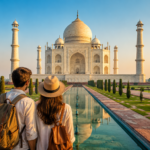
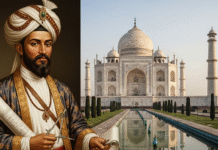
The Golden Triangle—Delhi, Agra, and Jaipur—is often the starting point for international travelers. It introduces visitors to iconic landmarks such as the Taj Mahal, Mughal architecture, bustling markets, and the royal heritage of Rajasthan.


Delhi Agra one day tour by Car – Book with Local From ₹ 6,500
Delhi Agra one day tour by Car Inclusive of neat and clean Car with Experienced Driver + Local Live Guide on Additional cost – Check Out More!
View DetailsKerala offers a different perspective. The scenery shifts from historic cities to tea-covered hills, wildlife reserves, palm-fringed backwaters, and the Arabian Sea coastline. Together, these regions showcase the country’s diversity in a way that few itineraries can.
More Than Famous Landmarks
The Taj Mahal is one of the world’s most recognized monuments, but it represents only one chapter of India’s story.
Travelers who continue beyond the Golden Triangle often experience:
- Walking through spice plantations where cardamom and pepper are grown.
- Watching traditional Kathakali dance performances.
- Cruising through Kerala’s tranquil backwaters on a houseboat.
- Sampling regional cuisines that differ dramatically between North and South India.
- Visiting tea estates surrounded by rolling green hills.
- Exploring local markets filled with handmade textiles, spices, and crafts.
These experiences provide a deeper appreciation of India’s regional traditions and daily life.

Culture Changes from Region to Region
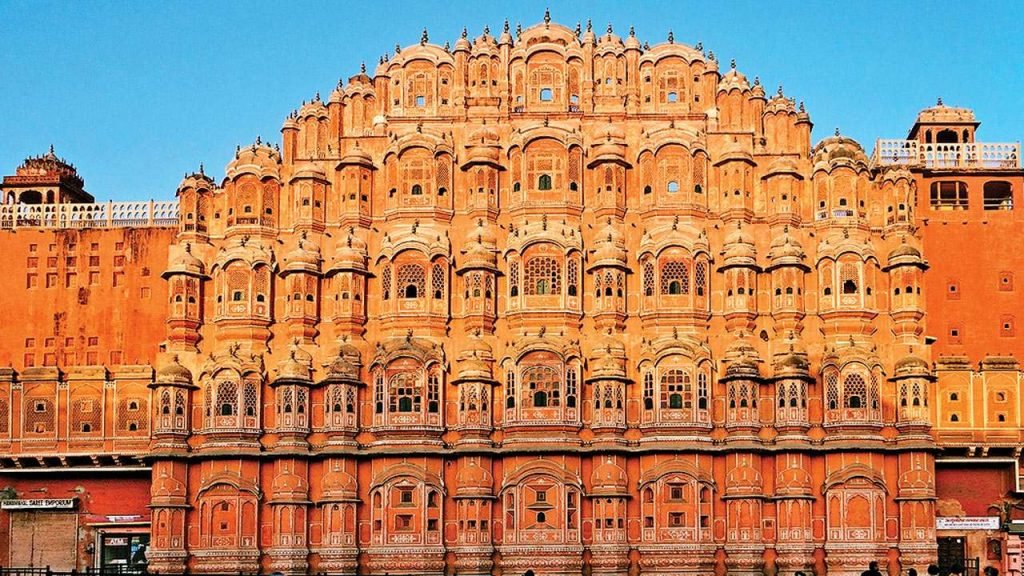
One of the most fascinating aspects of traveling across India is how quickly customs, architecture, languages, and cuisine can change.
In North India, visitors encounter Mughal monuments, Rajput forts, and lively bazaars. Meals often feature rich curries, breads such as naan, and tandoori dishes.
In Kerala, coconut, curry leaves, seafood, and rice are central to many meals. Traditional wooden homes, peaceful waterways, and lush tropical vegetation create a completely different atmosphere.
“Planning your first trip to India? Learn why the Golden Triangle and Kerala offer the perfect mix of heritage, wildlife, backwaters, and unforgettable experiences.”
Experiencing both regions during the same trip highlights the country’s cultural richness.
Nature and Heritage in One Journey
Some travelers prefer historical attractions, while others seek natural beauty. A combined itinerary allows visitors to enjoy both without choosing one over the other.
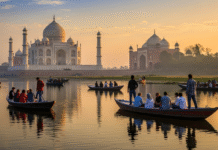
Imagine beginning your journey by watching the sunrise over the Taj Mahal and ending it with an evening cruise through Kerala’s peaceful backwaters. Between those moments, travelers can explore royal palaces, tea gardens, wildlife reserves, and vibrant local communities.
This balance of heritage and nature appeals to many different travel styles.
When Is the Best Time to Visit?
The most popular months for combining the Golden Triangle with Kerala are generally from October to March, when temperatures are more comfortable for sightseeing across much of the country.
Traveling during the monsoon season offers a different experience. Kerala’s landscapes become especially lush, waterfalls are more active, and Ayurvedic wellness experiences are popular during this period. However, travelers should also expect more frequent rainfall and plan accordingly.

Is This Journey Suitable for First-Time Visitors?
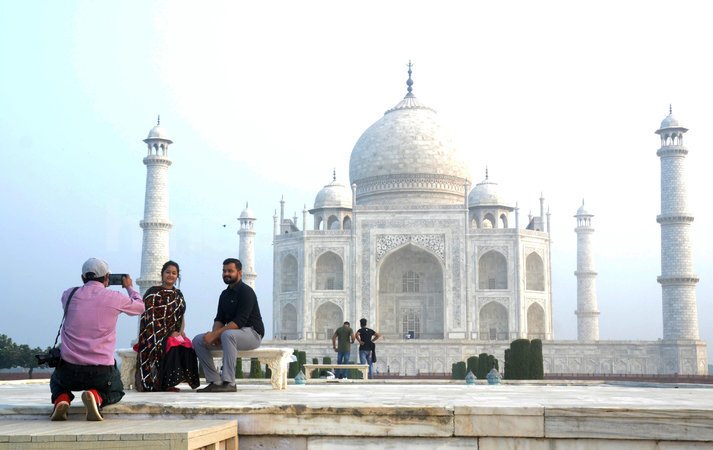
For many international travelers, yes. A well-planned itinerary can include comfortable transportation, guided sightseeing, and enough time to experience each destination without feeling rushed.
Those interested in history, photography, food, wildlife, architecture, or cultural experiences often find that this combination offers something memorable every day.
Explore the best of North and South India in one journey. Find travel inspiration, planning advice, and reasons to combine the Golden Triangle with Kerala.
Travel Responsibly
Responsible tourism helps preserve the places people come to enjoy. Visitors can contribute by:
- Respecting local customs and dress codes at religious sites.
- Supporting local artisans and small businesses.
- Reducing plastic waste by carrying a reusable water bottle where appropriate.
- Following wildlife guidelines in national parks.
- Leaving natural and historical sites as they were found.
Thoughtful travel benefits both visitors and local communities.


Planning Your Journey
Before traveling, consider how much time you want to spend in each destination. Some travelers focus on major landmarks, while others prefer slower itineraries with opportunities to explore local neighborhoods, regional cuisine, and lesser-known attractions.
If you’re combining the Golden Triangle with Kerala, allow enough time to enjoy both regions rather than rushing between destinations. A balanced itinerary can make the journey more comfortable and memorable.
Final Thoughts
India offers many unforgettable experiences, but few journeys combine cultural heritage and natural beauty as effectively as the Golden Triangle and Kerala. From the historic streets of Delhi and the timeless beauty of the Taj Mahal to the tranquil backwaters of Kerala and the misty hills of Munnar, each destination reveals a different aspect of the country.
Whether you’re planning your first visit or returning to discover more, taking the time to experience both North and South India can provide a richer understanding of the country’s extraordinary diversity.
If you’re ready to plan this journey, compare itinerary options carefully, consider the season in which you wish to travel, and choose an itinerary that matches your interests and pace. A well-designed trip can transform a sightseeing holiday into a deeper travel experience filled with lasting memories. Check Price